Need for a New Design Software
Recently, there was a global outage of the entire Autodesk cloud services including all the AEC software licensing that so many architects, designers, and engineers are counting on everyday. (Yes, it includes Revit, BIM 360, and so on.) It was not surprising some people in my team were furious. When your entire tool stack is tied to Autodesk’s ecosystem, you either lose your valuable works or just waste time until the service is back. Some might have sweated just a few hours before their deadlines.
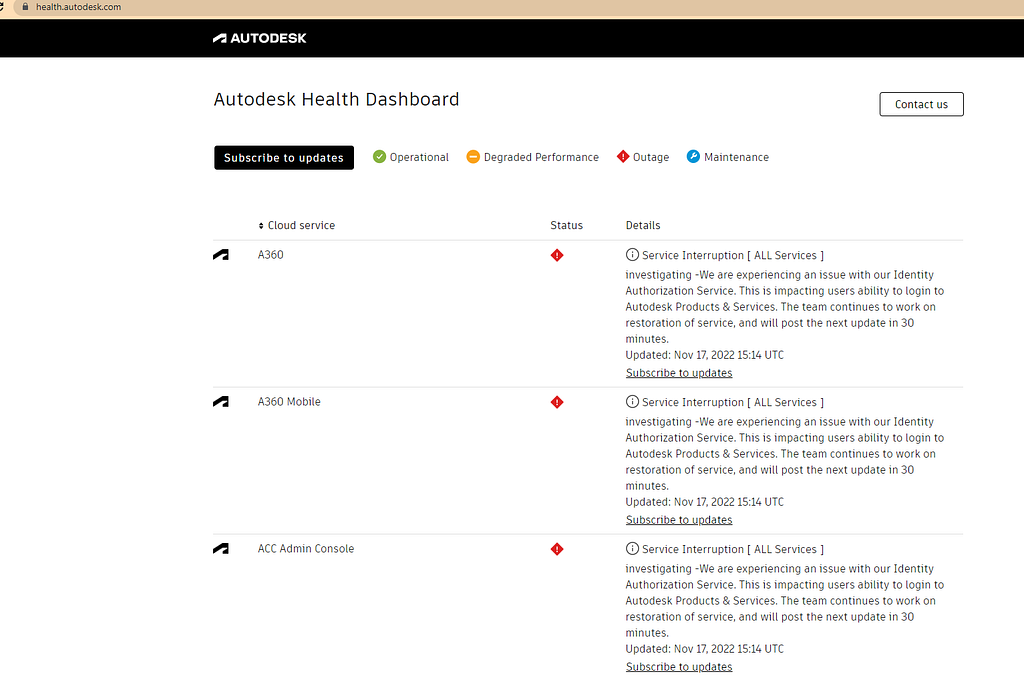
This got me think about the seemingly doomed future of architectural design software again. With its strong user lock-in, Autodesk has been almost monopolizing the AEC industry and receiving a certain amount of hatred from the users and companies for its lack of reliability and improvements. (‘Open letter to Autodesk ’ was one of the hot topics in the industry.)
Meanwhile, another type of design industry has been served by an amazing design tool over the past several years. UX design has quickly become the hottest category in the design industry in the past decade and there is no doubt about what has been the most successful design software for this industry: It’s Figma . This 100% web-based design collaboration tool has been quickly acquiring so many designers and engineers as their customers with its virtually free pricing, beautifully designed high-performing features, and the strong community of users. It not only convinced so many UX designers, but also other kinds of designers like myself who always needed a better tool for their creative works.
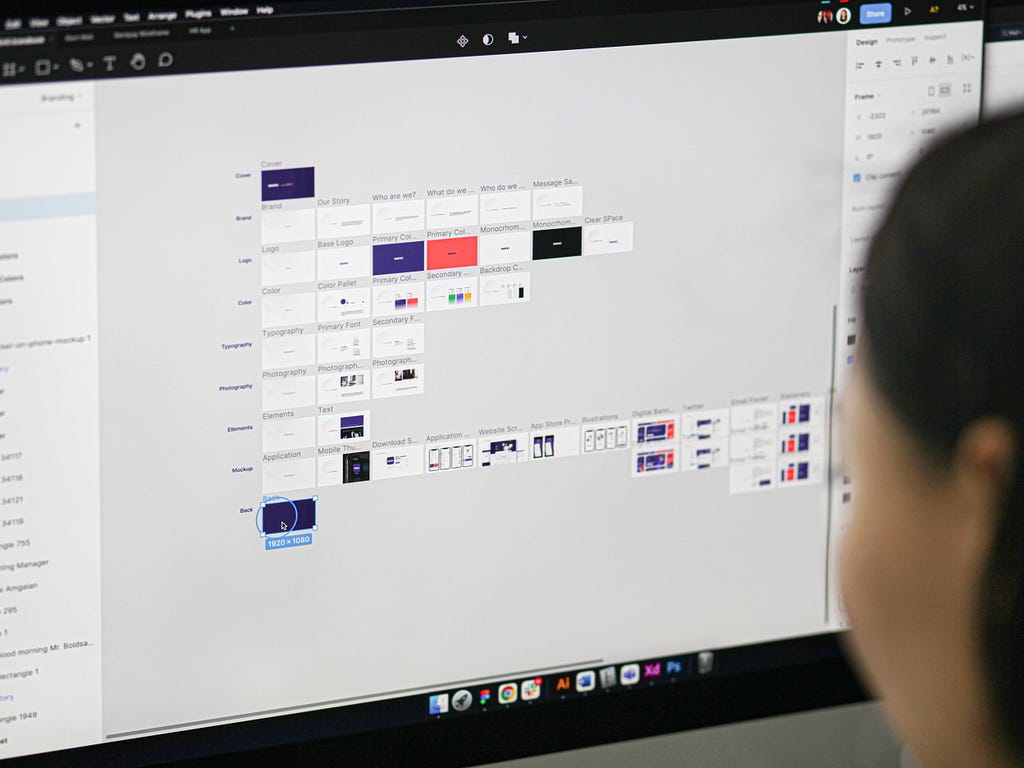
No wonder Figma has been making many architects and designers in the AEC industry jealous of UX designers who are served by this amazing ‘all-in-one’ product. Whereas architects have never been served by any free high-performing design tool as strong as Figma. All the existing tools such as AutoCAD, Revit, SketchUp or Rhino have a few critical things in common:
- It is expensive.
- It is desktop-based and requires a high-performance machine.(*Note: AutoCAD Web App has been released, but it’s still in infancy.)
- It’s not an end-to-end solution for architectural design.
The more architects are exposed to other design industries like UX design, the more they crave for having a better design software. Why do they hate some of these existing tools? What tool/product do architects need to do their best work? Will they ever have the ‘Figma of architecture?’
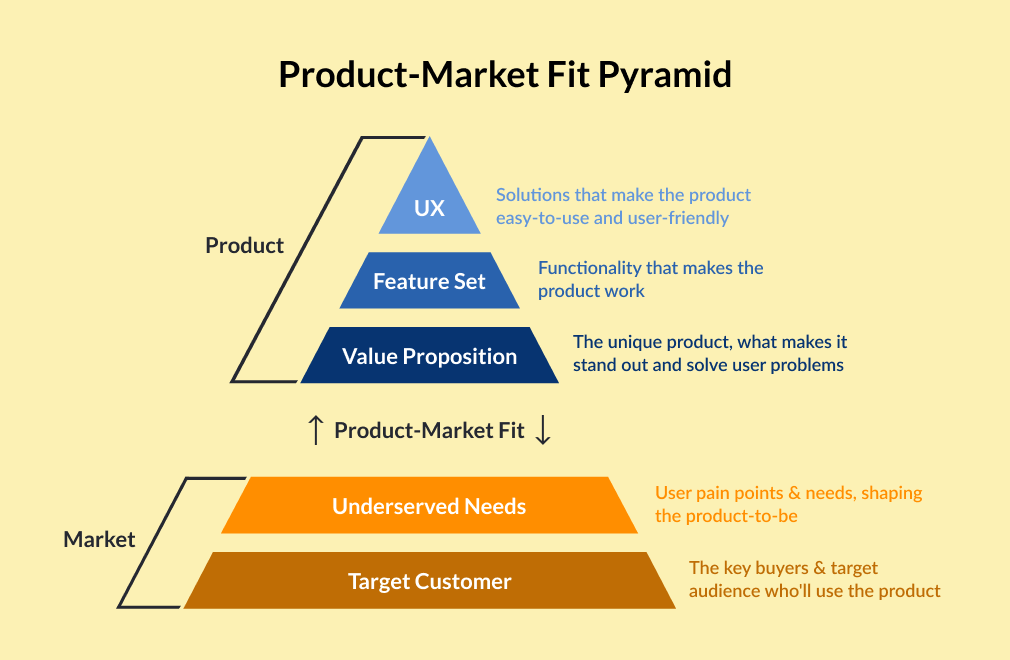
Product-Market Fit for Architects
This feels to me a great example of finding product/market fit for an architectural design software. In order to understand the customer and its key needs, I wanted to have a deeper and more fundamental understanding about the practice of architecture.
So what is the practice of architecture? It is not easy to define the essence of it. (It has never been, and will never be.) But architecture is one of the oldest design disciplines of all time and its nature hasn’t changed that much over the course of time. So let’s take a look at how the profession has been defined in the history.
In his publication The Alphabet and The Algorithm (2011), architecture historian Mario Carpo explains how Leon Battista Alberti defined the profession of architects. There are a few radical things (to the standard of the 15th century) that the Italian renaissance architect claimed:
1. Architects should be not builders, but designers.
2. Architects produce scaled drawings as a way to transmit architectural information to builders.
3. Architects’ drawings, unlike painters’ perspective views, require consistent lines, true angles, and real measurement drawn to scale.
Even though some of these statements are debatable, I found some basic but important insights here:
- Designers are separated from builders.
- Architect’s end product is a set of scaled drawings with a notational system.
- Architect’s drawings should include information that is meaningful to builders.
This tells me so much about why Revit has been dominating the industry despite all the hatred, and why AutoCAD is still loved by many architects. It serves architect’s primarily needs really, really well: documentation and drawing production. Yes, while there are some major underserved needs in architects’ lives, these existing design tools found a great product-market fit for architect’s primary area of interest.
Finding ‘Figma of Architecture’
So going back to our original question, will architects ever have the ‘Figma of architecture?’ I think we shouldn’t overlook the fundamental difference between designing a software and designing a building.
In software, a designer and a builder share information in the same digital system. For example, a designer can design a web application screen by screen, pixel by pixel and hand it over to a software engineer with all the data properties that engineers need to build the application. The designer’s tool is within the engineer’s tool stack. In architecture, however, architect’s end product is a drawing set that is printed as physical copies for builders. No matter what design software they use, builders need 2D drawings with parallel projection, true angles, and real measurement drawn to scale to build it on site. The architect’s tool is not within the builder’s tool stack.
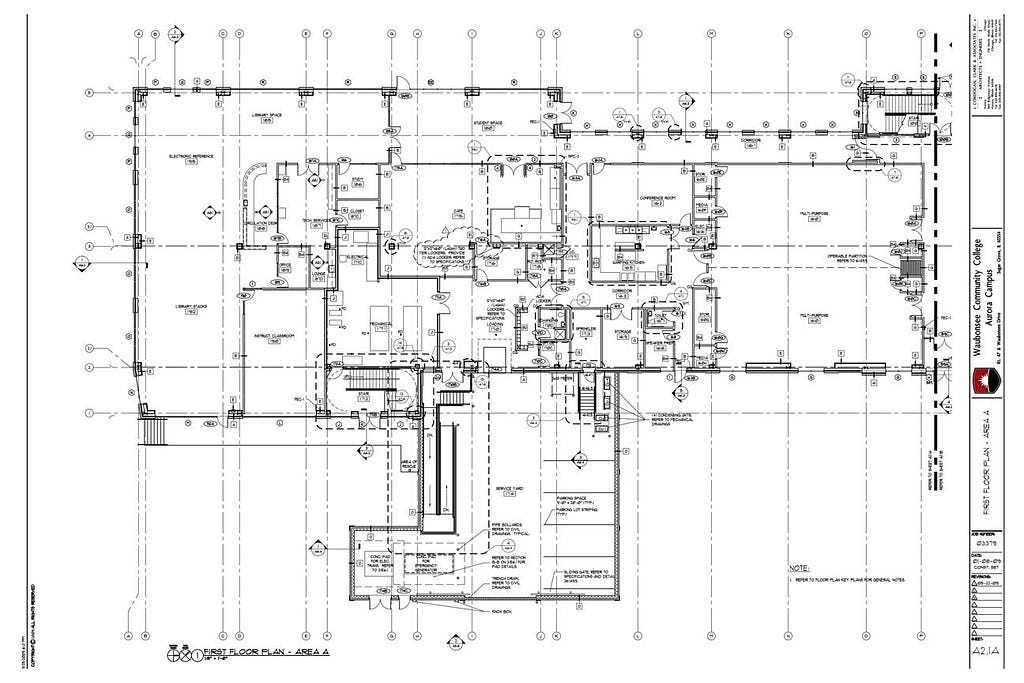
We often forget this inherent nature of architecture. Architect’s biggest role and their value lie upon the efficient production of information-rich drawings, but we still don’t have tools and products that do it better than the existing tools such as Revit and AutoCAD. Recently, there has been a new generation of architectural design tools which attempt to empower architects to design buildings in a highly collaborative, web-based, and more affordable software. However, we will keep coming back to Revit and AutoCAD if the new generation of technology doesn’t serve architect’s primary needs (production of drawings) any better than those legacy design softwares. But I am very hopeful for this breakthrough moment in the AEC technology industry. I guess this is why I really enjoy imagining my own design software for architects.